梅西大学/Massey University
- 课程名称:
科学Bachelor of Science (Physiology)
- 课程级别:学士学位/Bachelor's Degree(7级)
- 课程代码:
- 学费:$30,910 NZD Per Year
- 学分:
- 开学时间:16-July-2018
- 申请截止:
- 授课校区:Massey University
- 课程信息:
- Applied physiology and animal welfare
- Comparative physiology
- Control of metabolism
- Human lifecycle physiology
- Nerves and the nervous system
- Physiological control systems
- Physiological strategies for survival
- Physiology of mammalian organ systems
- IELTS score of 6.0 (no band less than 5.5)
- TOEFL iBT score of 80 overall (min 19 in Writing)
- PTE Academic score of 50 Overall (min 42 in communicative skills)
- Cambridge English score of 170

新西兰澳新教育集团
NAA International Education Gr...
新西兰澳新教育集团(NAA International Education Group LTD.)是经新西兰官方正规注册留学教育公司...
新西兰维特利亚理工学院官方授权
Whitireia New Zealand
新西兰维特利亚理工学院 Whitireia New Zealand
新西兰教育专家证书
Education New Zealand Trained ...
新西兰教育专家证书Education New Zealand Trained Agent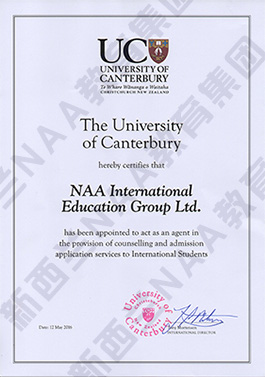
新西兰坎特伯雷大学官方授权
The University of Canterbury
新西兰坎特伯雷大学 The University of Canterbury-

-

Course details
Summary
Physiology is a rapidly advancing and exciting subject area. Just how important is physiology? It’s the only biological science for which you can win a Nobel Prize. Physiology explains how normal cells, tissues and organisms function. It provides the foundation on which we build our knowledge about life, so we can recognise problems and develop new treatments
Early on, you’ll get a broad understanding of the functions and integration of the major organ systems of the body. Later courses let you delve into specific topics for in-depth learning.
Leading in both human and whole animal physiology
Human physiology provides the basis of modern medicine, connecting science and health. You can combine physiology with other disciplines like nutrition, sport and exercise, biochemistry or molecular biology for a multidisciplinary approach.
If you’re interested in working with animals, we have leading experts across a range of animal-based science disciplines, including animal science, zoology and veterinary science. You will work closely with animals and complete courses such as Comparative Physiology, which emphasise how animals and their bodies function and interact with their environment and the challenges in their environment.
Research-led
Ever wondered how water changes affect fish stress levels or how climate change impacts penguin’s survival abilities? Our academics are at the forefront of research like this and use it in their teaching, so you what you learn is relevant and engaging. As a student you’ll also have the opportunity to tap into these types of research projects and gain experience for future employment. Research in human physiology at Massey focuses on nutritional and gastrointestinal physiology, the cardiovascular, immune and endocrine systems.
Study what you want
If you’re keen on human health, you can delve into cellular physiology and also take on a second major in an area such as biochemistry or human nutrition. Alternatively, if you’re keen on animals you can focus on whole animal physiology and pair this with a second major in zoology or ecology.
You can choose to major in physiology or include physiology as part of another major, especially if it deals with advanced animal or human biology. If you’re not sure yet, you can delay your choice of major until the start of your second year.
Lots of subject choices
One big advantage of studying physiology at Massey is that you can choose a double major - for example, physiology plus agribusiness, agricultural science, animal science, business studies, biochemistry, chemistry, ecology, exercise and sport science, geography, human nutrition, microbiology, plant biology, psychology or zoology. There’s loads of choice.
Topics
Some of the topics taught include:
Careers
Physiology is key if you want to work in human or animal health sciences.
Wide variety of options
What about working in one of the world’s growth industries - healthcare? You can specialise in nutrition, toxicology, pharmacy, radiography, physiotherapy, nursing, or public and environmental health. How about teaching in schools or hospitals? Or you may fancy a career in the medical, veterinary or food industries, a job in medical writing, or in the active world of sport science, exercise and recreation.
Entry criteria
Students must have successful completion of a qualification equivalent to the New Zealand Year 13 - NCEA Level 3 University Entrance.
It is strongly recommended (but not compulsory) that students beginning their study of physiology should have a sound background in chemistry and biology at NCEA Level 3 (or equivalent). Physics is also desirable.
English Language Requirements:
Course variation
25-February-2019 - Auckland Campus
= 新西兰小学申请问题集 =