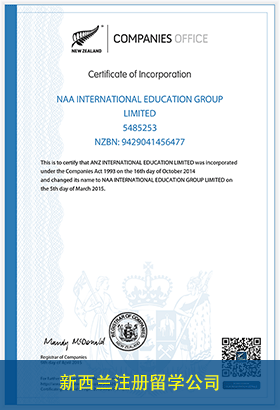
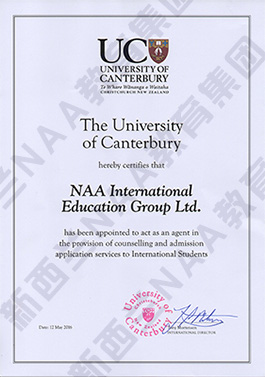
坎特伯雷大学/The University of Canterbury
- 课程名称:
工程Master of Engineering in Electrical and Electronic Engineering
- 课程级别:硕士学位/Master's Degree(9级)
- 课程代码:
- 学费:$39,000 NZD Per Year
- 学分:
- 开学时间:16-July-2018
- 申请截止:
- 授课校区:The University of Canterbury
- 课程信息:
- new ways of generating power from renewable energy sources eg, wind, hydro and solar
- faster, cheaper and more reliable ways of sending information through mobile phone networks, the internet and new communications technologies yet to be developed
- more precise non-invasive medical instruments and scanners
- new nano-scale devices and materials that enable whole new ranges of products
- more efficient ways of using electric power, such as low-power lighting systems
- intelligent systems, such as autonomous cars or search-and-rescue robots, to improve people's lives while protecting the environment
- better ways of gathering information through sensor networks to help people like farmers and manufacturers make accurate decisions
- new ways of controlling the administration of medicines or the motion of rockets.
- Bachelor of Engineering with Honours with first or second class honours
- Bachelor of Science with Honours with first or second class honours, in relevant subjects
- Postgraduate Certificate in Engineering with a GPA of 5 or more.
Course details
Summary
Electrical and electronic engineering deals with the application of electricity, electronics, and electromagnetism. It involves the generation, storage and use of electricity, as well as the design of integrated circuits, sensors and actuators to smart systems such as robots. This discipline involves the transmission and transformation of information using computers and communication networks, and the design of new electronic and computer products.
Electrical and electronic engineers have played a major role in the development of many technological advances, from personal computing and smart phones to autonomous vehicles and renewable electrical power. Digital television, unmanned aerial vehicles, robotics, medical imaging, and space exploration have all been the outcome of electrical engineering innovation.
This endorsed research degree is completed by coursework and a thesis. It aims to provide a research focused learning environment in which students can develop their independent problem solving skills through supervised research.
Study in a number of advanced Engineering courses will provide each student with key technical knowledge to enhance and support their research activities.
The Master of Engineering (ME) includes a thesis of 120 points and up to 45 points of coursework. ME students can complete in 16 months or a maximum of three years full-time. For part-time study the duration can vary between 30 months to four years.
Further study
Students can study a Doctor of Philosophy in Bioengineering, Chemical and Process Engineering, Civil Engineering, Earthquake Engineering, Electrical and Electronic Engineering, and Mechanical Engineering at UC.
Career opportunities
UC Electrical and Electronic Engineering graduates are well prepared to join the technological revolution, with a wide range of career options. Some examples of these are as a consulting engineer, electronic design engineer, biomedical engineer, an entrepreneur or as a teacher/educator in industry, school or university.
Now and in the future, electrical and electronic engineers have the opportunity to develop innovative systems such as:
Entry criteria
Candidates must normally have completed one of the following:
Students wishing to enrol in postgraduate study must have completed both the academic and non-academic requirements of the prerequisite degree. This includes practical work days, work reports, a workshop training course and a first aid certificate. The programme of study must be approved by the Dean.
Other English language requirements: TOEFL PBT with a minimum score of 575 and TWE with a minimum score of 4.5; CCEL EAP Level 2 with a minimum B+ grade; CAE or CPE score of 176 with a minimum of 169 in reading, writing, listening and speaking; Pearson Test of English (Academic) - PTE with an overall score of 64 and no PTE communicative skills score below 58.
= 新西兰小学申请问题集 =