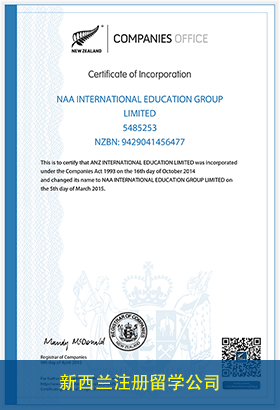
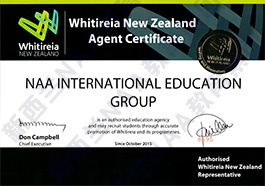
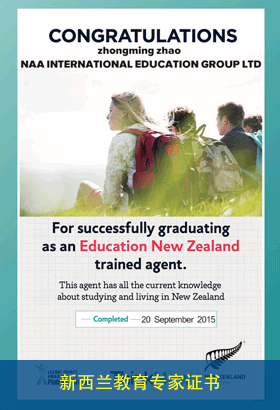
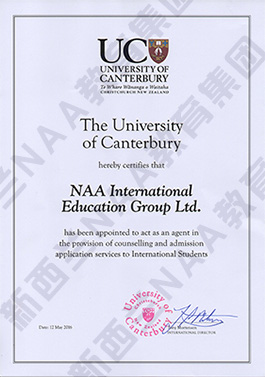
坎特伯雷大学/The University of Canterbury
- 课程名称:
科学研究生文凭Postgraduate Diploma in Science (Geography)
- 课程级别:研究生文凭/Postgraduate(8级)
- 课程代码:
- 学费:$34,900 NZD Per Year
- 学分:
- 开学时间:16-July-2018
- 申请截止:
- 授课校区:The University of Canterbury
- 课程信息:
Course details
Summary
Geography is an exciting and distinctive discipline at the interface between Science and Arts. Its focus is on putting various types of knowledge together to find innovative solutions to problems faced by society such as climate change, poverty, sustainability, health and inequality. We aim to provide courses and learning that will enable you to make a difference in your chosen career path after university.
Studying Geography will allow you to take an informed and analytical view of our changing world, and of your place in it. The relationship between people and their environment is a key geographical theme, as is the way in which this relationship can be made more sustainable for the future. This puts Geography at the core of many important current debates. For example, geographers are able to examine the issue of climate change holistically by looking at both the physical factors that affect the problem and also the human responses to the challenges created.
The Postgraduate Diploma in Science offers those with some background in science the opportunity to undertake more advanced and in-depth study in a subject. The diploma is primarily coursework-based, but some courses allow for independent project work or research.
Qualification structure and duration
The PGDipSc is made up of four full-year courses or eight single-semester courses selected from a range of options. Normally the diploma must be completed in one year of full-time study, unless approval is granted for part-time enrolment from the Dean of Science.
Further study
This qualification is an ideal pathway into more advanced study. UC offers a number of scientific master's programmes as well as a Doctor of Philosophy.
Career opportunities
Recent graduates have found work all over New Zealand and the world, from Auckland to Melbourne, California to Antarctica. Many have found careers in the public service, the tourism industry, private companies dealing with Geographic Information Systems (GIS) and Global Positioning Systems (GPS), the police, local authorities, and in education.
The Resource Management Act has created a lively market for geographers in consultancy and in regional and local government. Those who gain technical expertise in areas such as GIS and remote sensing are also in demand from both the public and private sectors. In addition, research and policy positions in central, regional and local government are popular.
Some graduates find work overseas for the Ministry of Foreign Affairs and Trade, development agencies and the United Nations, or in positions that are particularly people-focused, like the union movement, teaching or personnel, where communication skills are critical.
Entry criteria
Bachelor of Science or other bachelor's degree and approved undergraduate science courses. The precise prerequisites vary for each subject, but are normally good grades in 300-level courses.
Other English language requirements: TOEFL PBT with a minimum score of 575 and TWE with a minimum score of 4.5; CCEL EAP Level 2 with a minimum B+ grade; CAE or CPE score of 176 with a minimum of 169 in reading, writing, listening and speaking; Pearson Test of English (Academic) - PTE with an overall score of 64 and no PTE communicative skills score below 58.
= 新西兰小学申请问题集 =