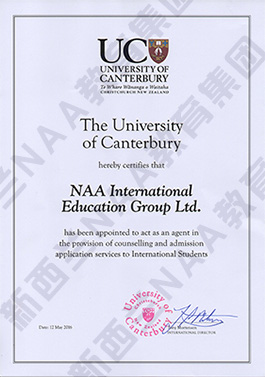
坎特伯雷大学/The University of Canterbury
- 课程名称:
科学研究生文凭Postgraduate Diploma in Science (Medical Physics)
- 课程级别:研究生文凭/Postgraduate(8级)
- 课程代码:
- 学费:$34,900 NZD Per Year
- 学分:
- 开学时间:16-July-2018
- 申请截止:
- 授课校区:The University of Canterbury
- 课程信息:
Course details
Summary
Medical Physics applies the concepts and methods of physics to the diagnosis and therapy of human disease.
Modern medicine relies heavily on physical tools, techniques and principles developed in the physical sciences.
The complexity and precision required in the operation of the related diagnostic and therapeutic equipment and the quest to improve them has led to the subspecialty of Medical Physics.
A medical physicist applies scientific knowledge and technological skills to help prevent, diagnose and treat many kinds of diseases and health conditions. They are a mix of research and clinical scientists who play a pivotal role in providing physics support to various areas of the health sector to provide better outcomes for patients. They also ensure the safety of staff and patients exposed to radiation.
A medical physicist is typically a member of multidisciplinary team and may be involved in several activities relating to diagnosis and/or treatment in radiology, nuclear medicine or radiation therapy.
This programme is the only one of its kind in New Zealand.
The PGDipSc is made up of four full-year courses or eight single-semester courses selected from a range of options.
Medical Physics careers
A medical physicist applies scientific knowledge and technological skills to help prevent, diagnose and treat many kinds of diseases and health conditions. They are most often clinical scientists who play a pivotal role in planning and implementing patient treatment programmes. A medical physicist is typically a member of a multi-disciplinary team and may be involved in several activities relating to diagnosis and/or treatment in radiology, nuclear medicine or radiation therapy.
What industries are Medical Physics graduates found in?
Our graduates are employed by hospitals in various departments including radiation oncology, diagnostic radiology and nuclear medicine. They are involved in research and development of new devices and technology in both industrial and academic environments. They also help to regulate the safe use of medical technology, including radiation safety.
Further study
This qualification is an ideal pathway into more advanced study. UC offers a number of scientific master's programmes as well as a Doctor of Philosophy.
Entry criteria
Bachelor of Science or other bachelor's degree and approved undergraduate science courses. The precise prerequisites vary for each subject, but are normally good grades in 300-level courses.
Other English language requirements: TOEFL PBT with a minimum score of 575 and TWE with a minimum score of 4.5; CCEL EAP Level 2 with a minimum B+ grade; CAE or CPE score of 176 with a minimum of 169 in reading, writing, listening and speaking; Pearson Test of English (Academic) - PTE with an overall score of 64 and no PTE communicative skills score below 58.
= 新西兰小学申请问题集 =